
Everyone wants to read more, but actually doing it every day? That’s a different story. As a lifelong reader and former book skeptic turned habitual reader, I’ve learned first-hand that reading isn’t something you just do — it’s something you practice. The good news? You can build it gently, intentionally, and sustainably. And once it becomes a habit, it enriches your life in ways you didn’t expect.
In this post we’ll explore evidence-based strategies backed by research, practical tips you can implement today, and ways to help your kids embrace reading as a joyful part of life.
Why Reading Habits Matter
Before we jump to tips, let’s talk about why establishing a reading habit is worth your time.
According to habit researchers, reading is like any other habit: it becomes easier when it is tied to your environment, motivation, and routines. When reading becomes a contextual cue in your day, it takes less mental effort and more action becomes automatic.
Studies have also shown that setting modest goals — like reading a small number of pages each day — makes you more likely to stick with it long-term.
1. Set Realistic, Actionable Goals
Big goals like “read more books this year” are wonderful — but too vague. Goals become habits when they are specific.
Try:
- Read 15 minutes before bed
- Read one chapter after lunch
- Read 10 pages a day
Research emphasizes that small, repeatable actions are the backbone of habits because they reduce resistance and make consistency easier.
Pro Tip: Keep your goals flexible at first. It’s better to read one page every day than 100 pages once every month.
2. Make Books Visible Around Your Home
Environmental design matters. When books are in sight, reading becomes more salient. Consider:
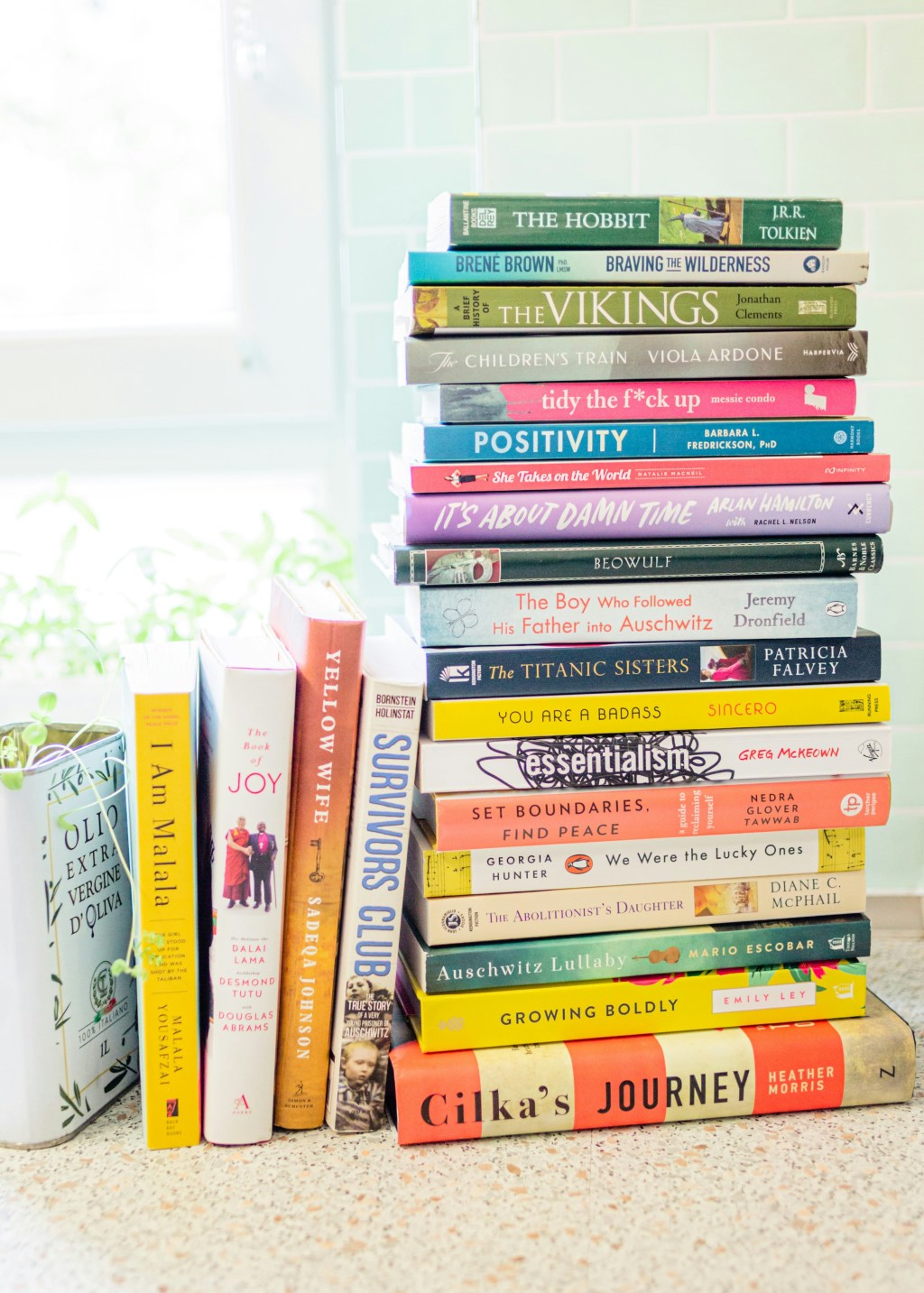
- Placing a stack of books on your nightstand
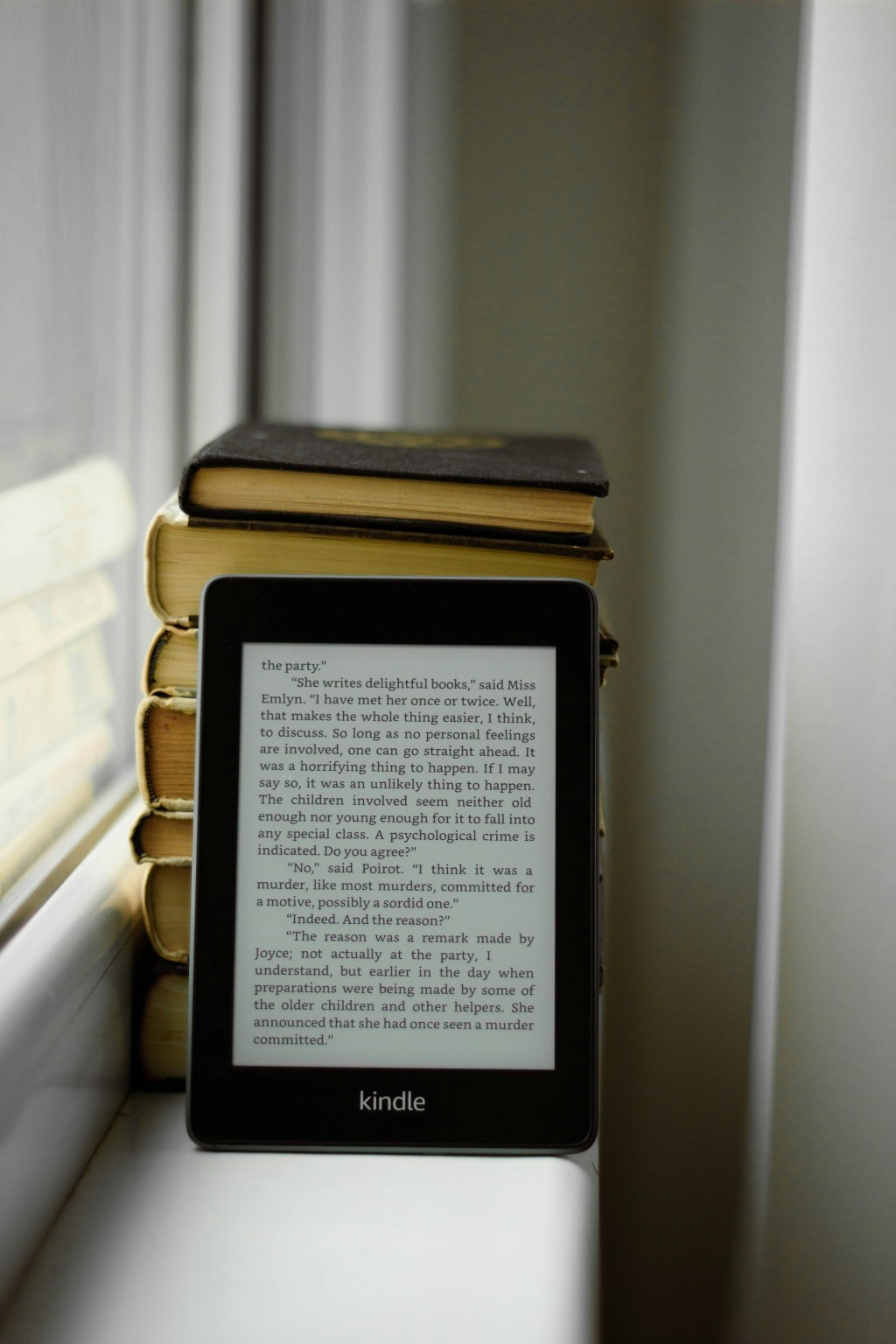
- Keeping a book or e-reader in your living room
- Putting a cozy reading nook where you naturally relax
Making books physically present taps into a simple psychological truth: we do what’s easy to access.
3. Build Books into Your Routine (Without Pressure)
Consistency rarely comes from one big block of time. Instead:
- Read after breakfast
- Listen during your commute or chores
- Read right before bed
Even small amounts add up. According to habit experts, reading at the same time and place creates a neural association that reinforces the behavior over time.
4. Use a Reading Tracker
Tracking what you read — even in a notebook — increases follow-through. Studies show that accountability and measurement greatly increase habit formation. Even simple daily marking builds momentum and motivation over time.
Tools like StoryGraph (I share more about StoryGraph in this post) can help you visualize progress and set year-long goals.
5. Let Yourself Quit Books You Don’t Love
One of the oldest mistakes readers make is holding on to books they don’t enjoy. If a book doesn’t resonate, let it go. This reinforces that reading should be pleasurable, not a task.
Research on intrinsic motivation suggests you are more likely to keep a habit when the activity feels enjoyable rather than forced. Choose books you genuinely want to read.
Building a Reading Habit With Kids
Helping your kids develop a reading habit is one of the greatest gifts you can give them — and the good news is, the principles mirror adult habit building.
1. Lead by Example
Children mirror what they observe more than what they’re told, so seeing you read books regularly will make reading normal and valued in your home.
2. Create Cozy Shared Spaces
Dedicated, comfy areas with good lighting and books at reachable levels make reading feel inviting. This could be a little nook with pillows or a basket of books in the living room.
3. Visit the Library Together
Making library visits a tradition gives kids free access to an enormous variety of books and helps them choose what interests them. This builds ownership and curiosity.
4. Embrace Audiobooks as Reading
Audiobooks can be bridges into literacy — especially for reluctant readers. Listening improves vocabulary, comprehension, pronunciation, and engagement with stories, and can encourage kids to follow along with text. I talk more about audiobooks and where I like to listen to them in this post.
5. Read What They Love (Within Limits)
Interest drives motivation. Let kids read genres or topics they love — even if it’s graphic novels or nonfiction. Confidence builds curiosity.
Final Thoughts
Building a reading habit isn’t a sprint — it’s a series of gentle steps. With small, intentional actions and joyful shared experiences, reading becomes not just a habit, but a lifelong companion.



 Simply Worth Sharing
Leave a comment